
Luxury Is Built in the Imagination Before It Is Built in the Store
When I told people around me that I was going to interview Gilda Perez-Alvarado, CEO of Orient Express, almost everyone reacted in the same way: “Orient Express? Amazing.” What struck me was that most of them had never travelled on it. And yet the name already meant something to them. Elegance, mystery, adventure, Agatha Christie, extraordinary journeys. Few brands manage to create such a strong emotional reaction among people who have never actually experienced them.
How Does a Brand Become Part of Culture?
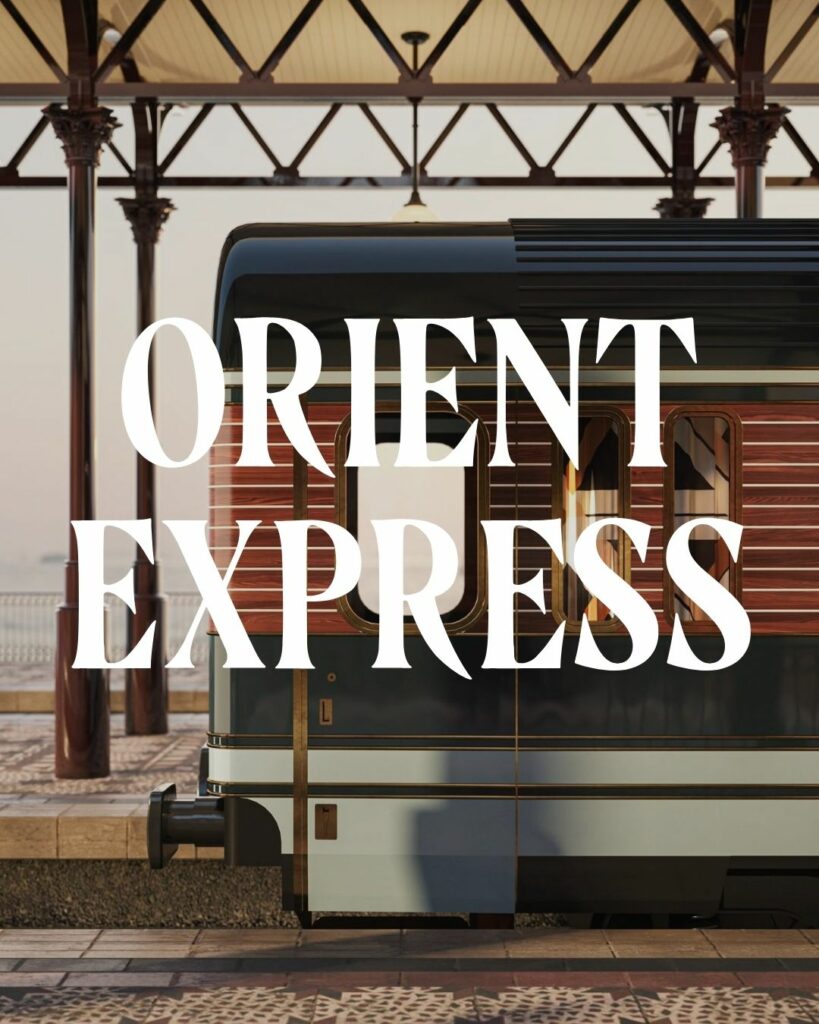
Orient Express is a fascinating lesson in cultural capital. Its reputation was not built through advertising alone. Royalty, diplomats, artists and spies travelled on its trains. Literature and cinema then carried those stories much further. Agatha Christie’s Murder on the Orient Express helped turn a luxury train into a cultural symbol. Over time, the brand became larger than the service itself. It entered the collective imagination.
Content Gets Attention. Culture Creates Memory.
This distinction matters today. Brands have become extremely good at producing content: campaigns, social posts, influencer activations, collaborations. But producing content and creating culture are two very different things. Cultural relevance happens when stories, images and experiences continue to circulate without the brand having to constantly push them. The strongest luxury brands are not only known by their customers. They are desired, discussed and understood by people who may never buy them.
Heritage Should Create Possibilities, Not Restrictions
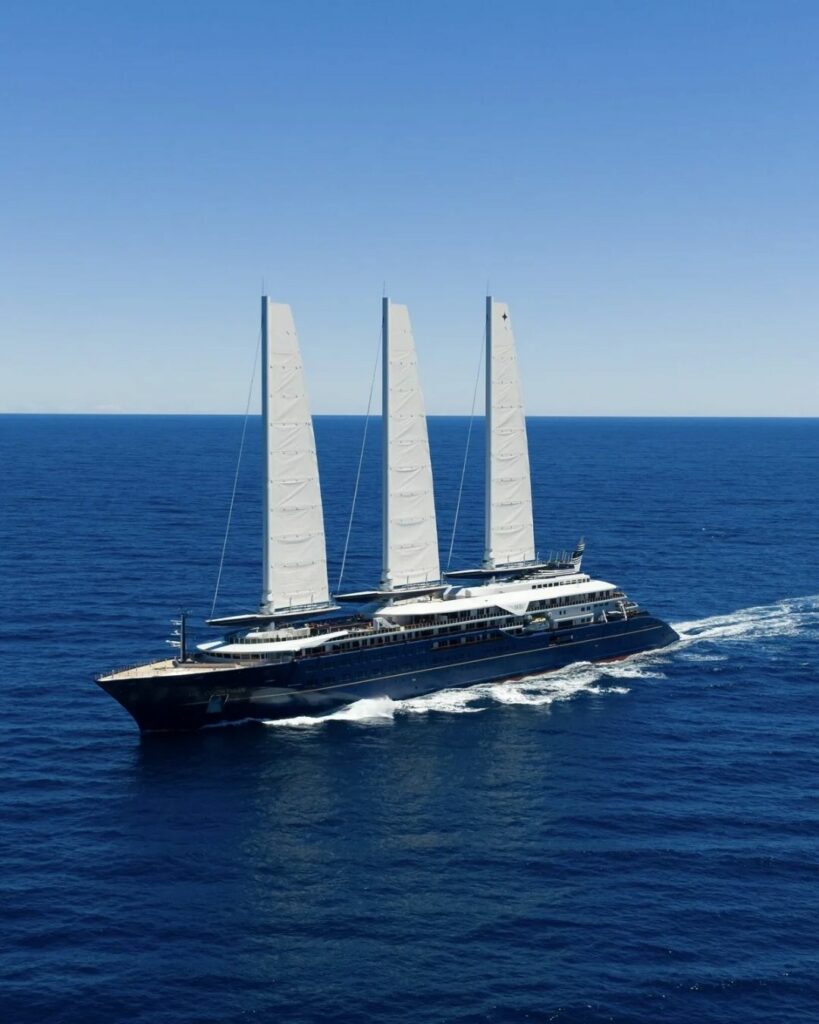
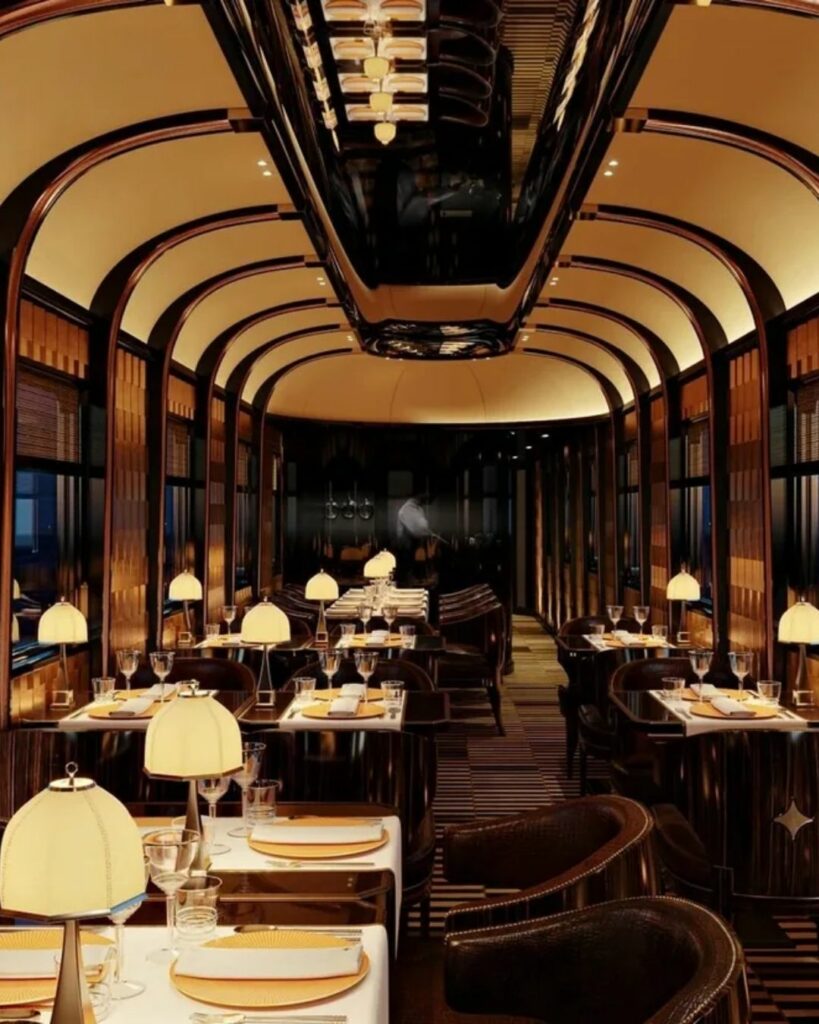
Our conversation also raised another question: what do you do once you inherit that level of cultural capital? Orient Express is no longer only a train. The brand is moving into hotels, destinations and sailing yachts. The interesting part is not the diversification itself, but the coherence behind it. If Orient Express ultimately represents an extraordinary way of travelling, then a train, a hotel or a yacht can all belong to the same world. Heritage becomes less about reproducing the past and more about understanding what the past gives you permission to do next.
The Real Challenge for Luxury Brands
At Dix Sept Paris, this is increasingly how we think about brands: not simply in terms of the content they need to produce, but the world they have the potential to build. The Orient Express story is an extreme example, but the lesson applies much more broadly. Awareness can be bought. Attention can be generated. Cultural capital takes much longer to create. And perhaps the strongest sign of brand power is when people who have never experienced your product already feel that they know what your name stands for.