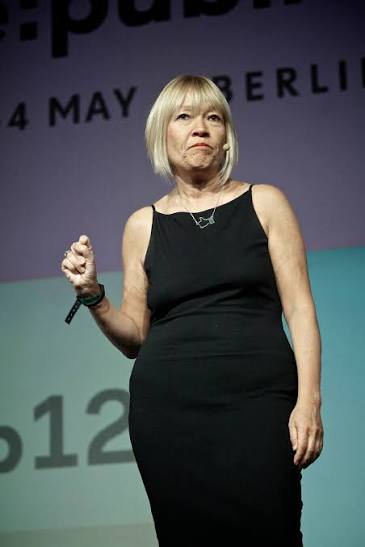

Cindy Gallop: Who Put That Desire There?
Cindy Gallop has spent more than three decades challenging the advertising industry, questioning power structures and pushing uncomfortable conversations into the mainstream. In this episode of Visionary Minds, she joins Wilfried Klucsar to explore a deceptively simple question: who shapes what we desire? From advertising and popular culture to pornography, social media, algorithms and AI, the conversation looks at how the images surrounding us influence what we find beautiful, sexy, successful and aspirational. Gallop argues that advertising remains an extraordinary force in popular culture, with the ability not only to reflect society but to change attitudes and behaviour at a fundamental level.
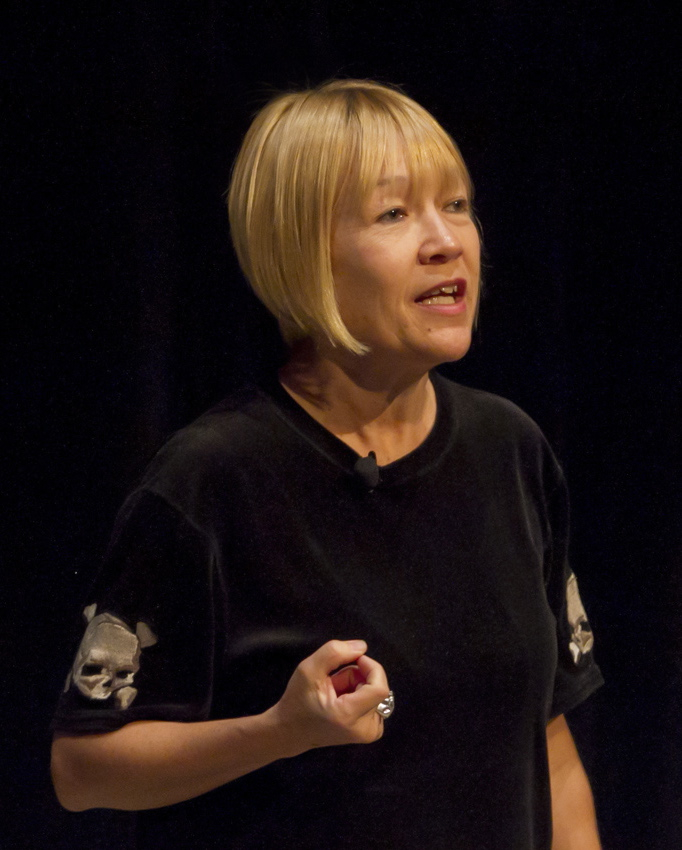
Advertising, Culture and the Power to Create Desire
For Gallop, advertising has always been about more than selling products. The industry helped build modern aspirational culture by making people want the right car, watch, house or lifestyle. Today, she believes brands have an opportunity to redefine what aspiration means and use their cultural power to improve people’s lives rather than simply encourage consumption. The conversation also confronts a contradiction within advertising itself: an industry that often positions itself at the forefront of social progress, while still struggling to create genuine equality in leadership. Asked whether the balance of power has really changed for women in advertising, Gallop’s answer is unequivocal: not enough has changed, and she continues to argue that businesses would perform better if brilliant women were given equal power.
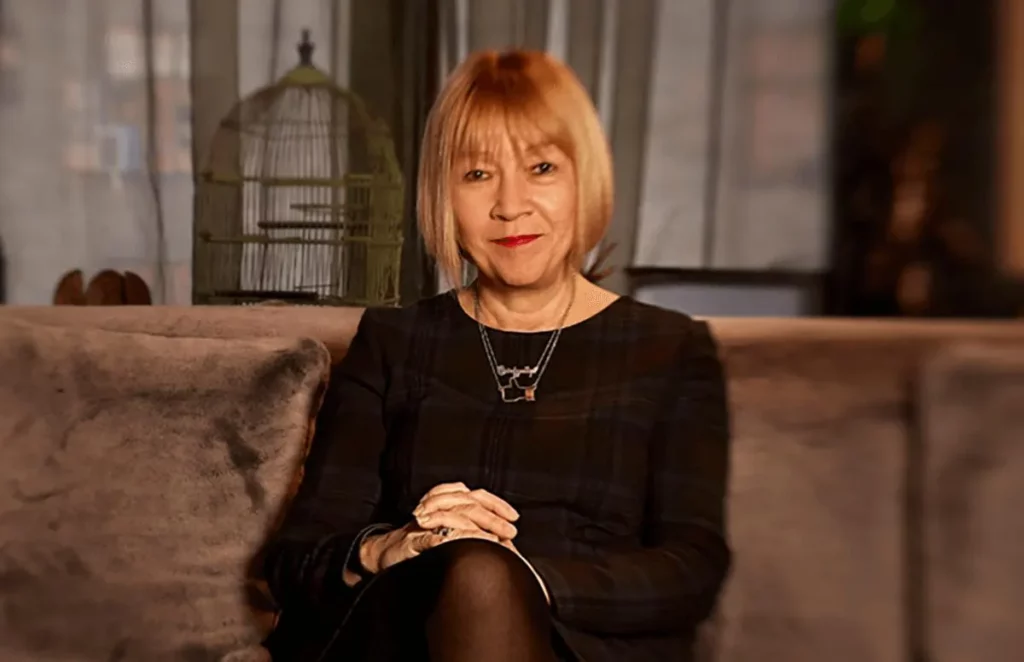
Cindy Gallop, MakeLoveNotPorn and the Problem With Porn as Sex Education
MakeLoveNotPorn grew out of Gallop’s own experiences dating younger men and noticing how pornography was influencing real-world sexual behaviour. Her central argument is simple: when society does not talk openly and honestly about sex, porn becomes sex education by default. What began as a small website comparing “porn world” with “real world” became a global platform dedicated to showing consensual, communicative and human sex as it actually happens. For Gallop, the ambition goes far beyond pornography itself. MakeLoveNotPorn is about making good sexual values aspirational and showing that intimacy, consent and communication can be represented just as powerfully as fantasy.

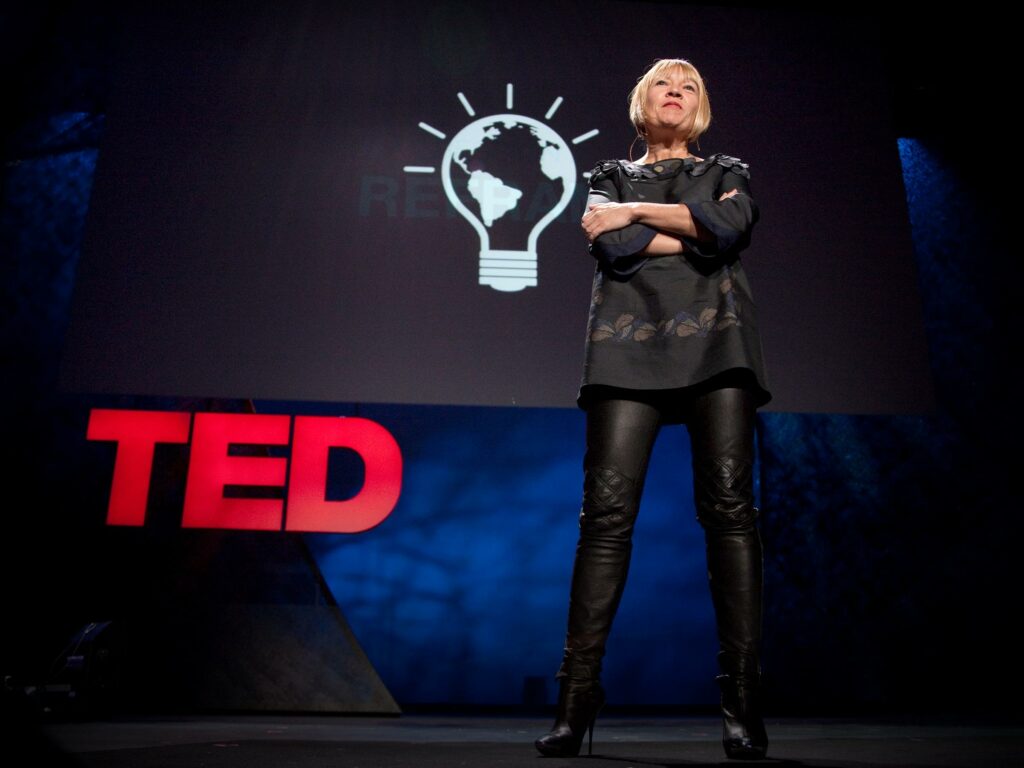
Social Media, Algorithms and the New Architecture of Influence
The conversation then moves into a world that did not exist when MakeLoveNotPorn began: one where social platforms, creators and recommendation algorithms increasingly shape how people see themselves and others. Gallop describes Instagram as a platform capable of making even a confident person feel worse about their life, and raises a broader concern about algorithmic bias. She argues that platforms trained on historical definitions of credibility and authority can reproduce existing inequalities, particularly when those systems have largely been designed through what she calls the “male lens.” Her warning goes beyond social media: as AI becomes embedded in more of our daily lives, the biases inside these systems risk becoming increasingly powerful and increasingly invisible.
Who Should Shape What We Want Next?
Ultimately, Who Put That Desire There? is a conversation about responsibility. As the founder of Dix Sept Paris, a creative agency working across luxury, beauty and culture, Wilfried Klucsar brings the discussion back to the role brands and agencies play in shaping aspiration, attention and desire.. Gallop believes brands and agencies have given too much power away to technology platforms, even though advertising remains the business model that funds much of the internet. Her message is that brands should reclaim that power and use it more deliberately. The same applies to representation, sexuality, technology and culture: the people creating images, platforms and stories have a responsibility to think about the world those choices help build. Gallop’s vision is ultimately optimistic. She wants a future in which better sexual values become aspirational, women receive the same funding and opportunities as men, and businesses recognize that changing culture can also be good business.