
Alo Yoga in Cannes: Genius Brand Move or Out-of-Touch Wellness?
A campaign that does more than generate visibility.
It raises a question about the future of luxury
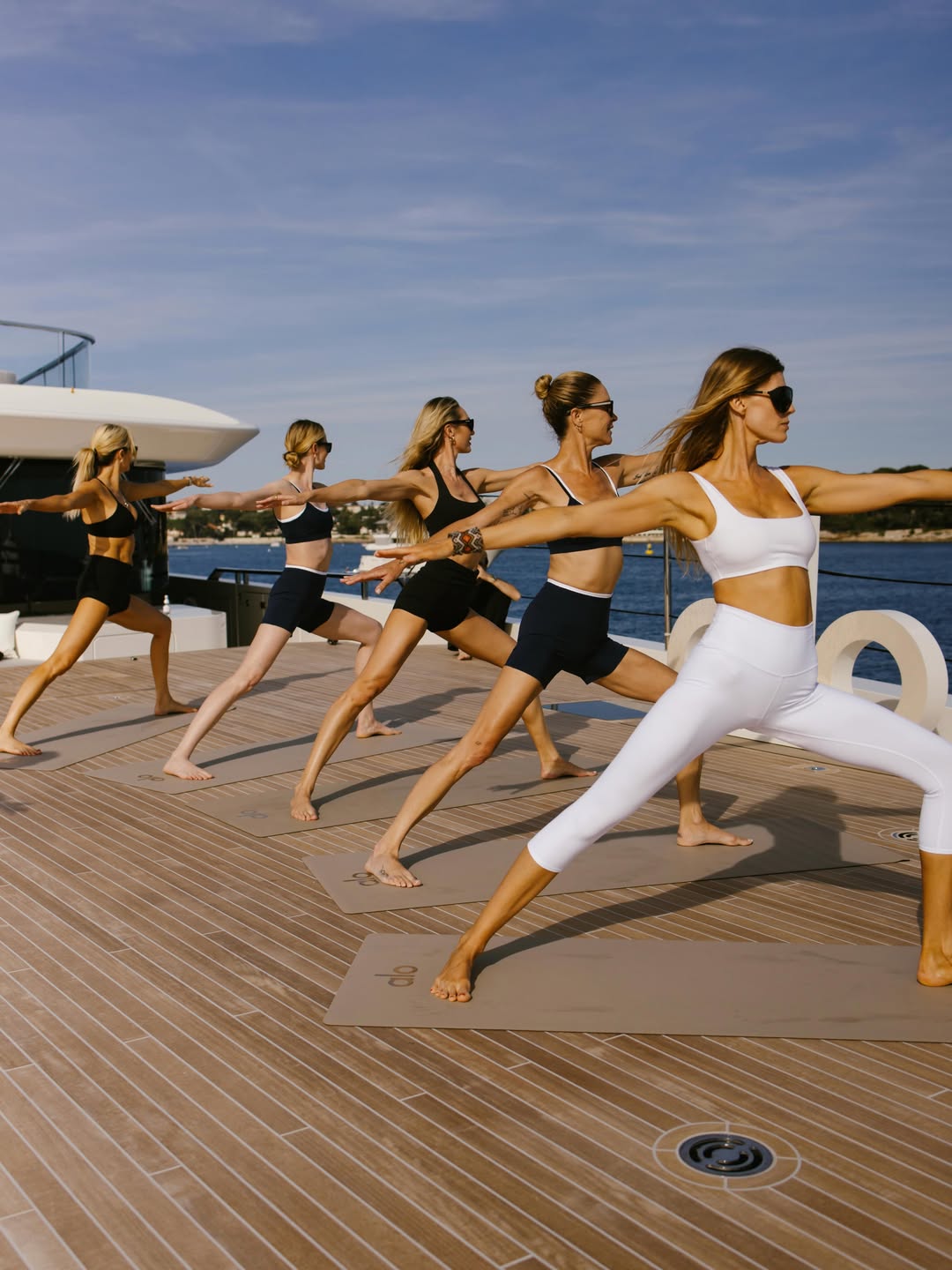
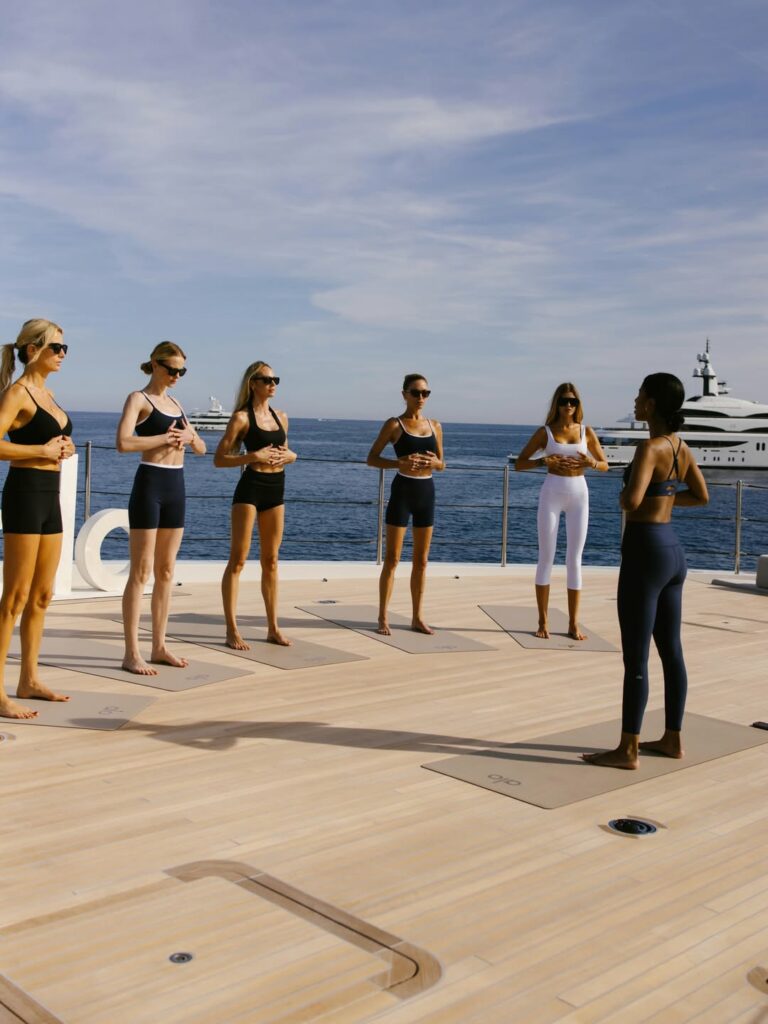
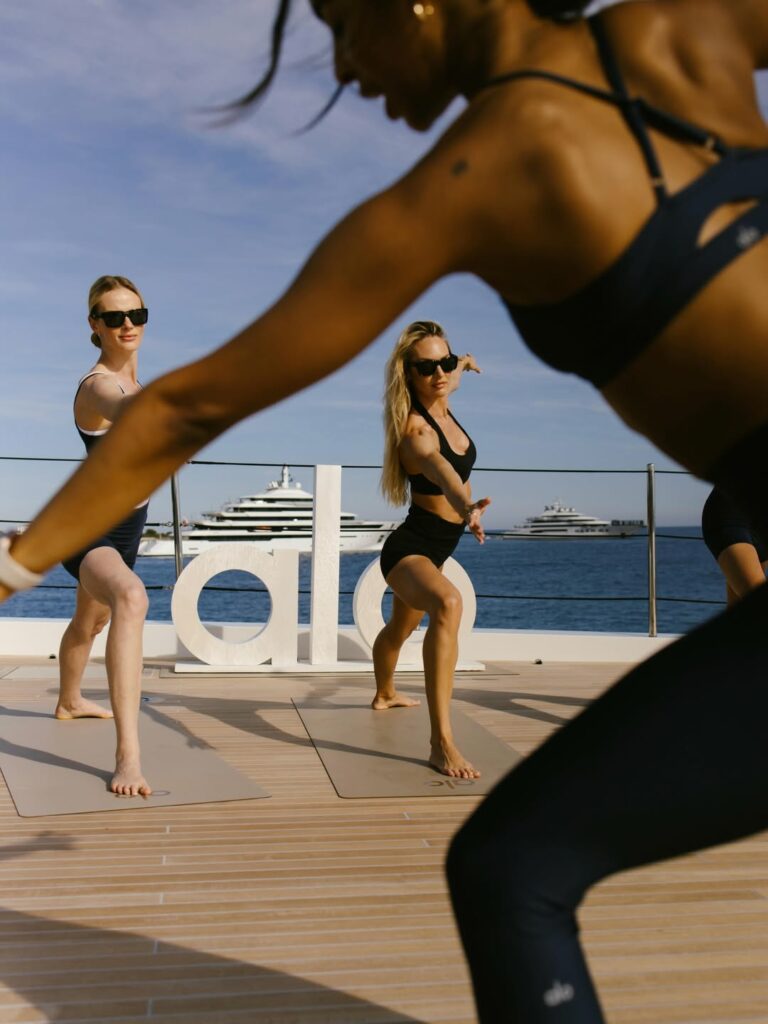
Alo Yoga chartered a 72-meter yacht in Cannes with Alo Voyage: Wellness Club at Sea, an invite-only wellness experience built around movement, recovery, Pilates, IV therapy, lymphatic drainage and other premium services. The brand also expanded its presence across the Riviera, with activations in Cannes, Saint-Tropez and around the Hôtel Martinez, at a moment when Cannes already concentrates cinema, fashion, influence, hospitality and ultra-luxury. Strategically, it is powerful: Alo did not simply host an event. It produced a very clear image of what one part of contemporary luxury may become — less about ownership, more about the body, rituals, access, location and feeling.

Has wellness become a new language of status?
The body, access and calm as new signs of success
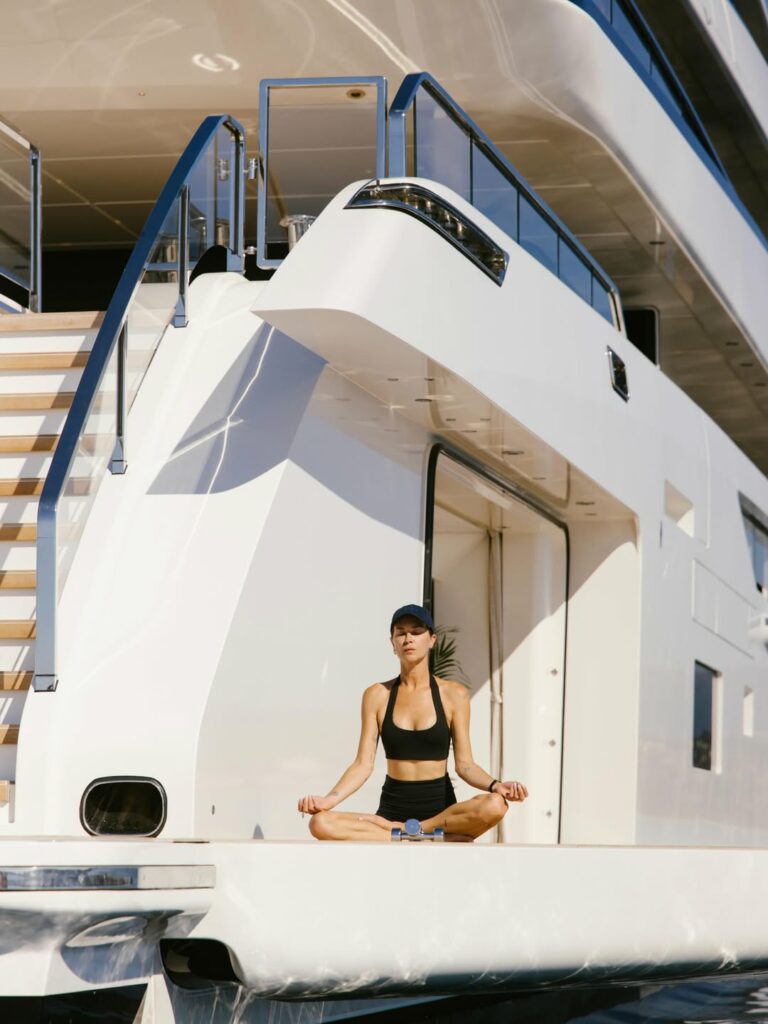
What this activation reveals is that wellness is no longer just a personal practice. It is becoming a brand territory, a space of desire, and sometimes even a social marker. Access to the right club, the right class, the right place, the right recovery ritual, the right aesthetic environment becomes a new way of saying something about oneself. Where traditional luxury has often been expressed through the object — the bag, the watch, the dress, the jewel — Alo seems to suggest something else: the new luxury may also be an energy, a skin, a maintained body, a life controlled enough to be staged as balance. This is probably why the campaign is being discussed so much. It does not only sell yoga or activewear. It sells a full version of the desirable life.
But the image also opens a critique
When wellbeing starts to look like a closed club
The strength of the campaign is also its limitation. Some see it as a masterstroke; others read it as a much more problematic aesthetic: ultra-exclusive, very white, very skinny, highly polished, almost retro in the way it represents female perfection. This is the paradox. Alo talks about wellbeing, movement and reconnection, yet the image can feel like wellness reserved for bodies that are already compliant, already perfect, already socially validated. This is where the debate becomes interesting. Does this campaign open a more sensory, contemporary and experiential vision of luxury? Or does it simply recycle old codes of exclusion, this time dressed in Pilates, matcha, leggings and Riviera light?
Has Alo understood the moment better than some luxury houses?
Not a heritage house, but a cultural signal
It would be clumsy to say that Alo is a luxury house in the traditional sense. It does not have the same relationship to time, product, heritage or rarity as a European maison. But that is not really the point. What makes Alo interesting is that it seems to understand a shift many brands are still observing from a distance: desire is moving into everyday practices. What people do in the morning, how they train, what they drink, where they travel, how they recover, which spaces they access, which body they project. The Cannes campaign does not say that wellness replaces luxury. It shows that luxury, if it wants to stay alive, must now engage with the body, time, experience and access.
The real question: who gets access to the image of a desirable life?
The future of luxury will also be shaped by representation
This may be the most important question. The debate around Alo is not only about a yacht or a successful activation. It is about the image of desirable life that brands choose to build. If luxury moves toward wellness, it will have to decide what kind of wellness it wants to promote: open, embodied, plural and alive; or ultra-selective, aestheticized and socially narrow. Alo has created a campaign everyone is talking about, and that is already a win. But a campaign can be both brilliant and debatable. Often, that is exactly what proves it has touched something real. The future of luxury will not only be about access to the product. It will also be about access to the imaginary.